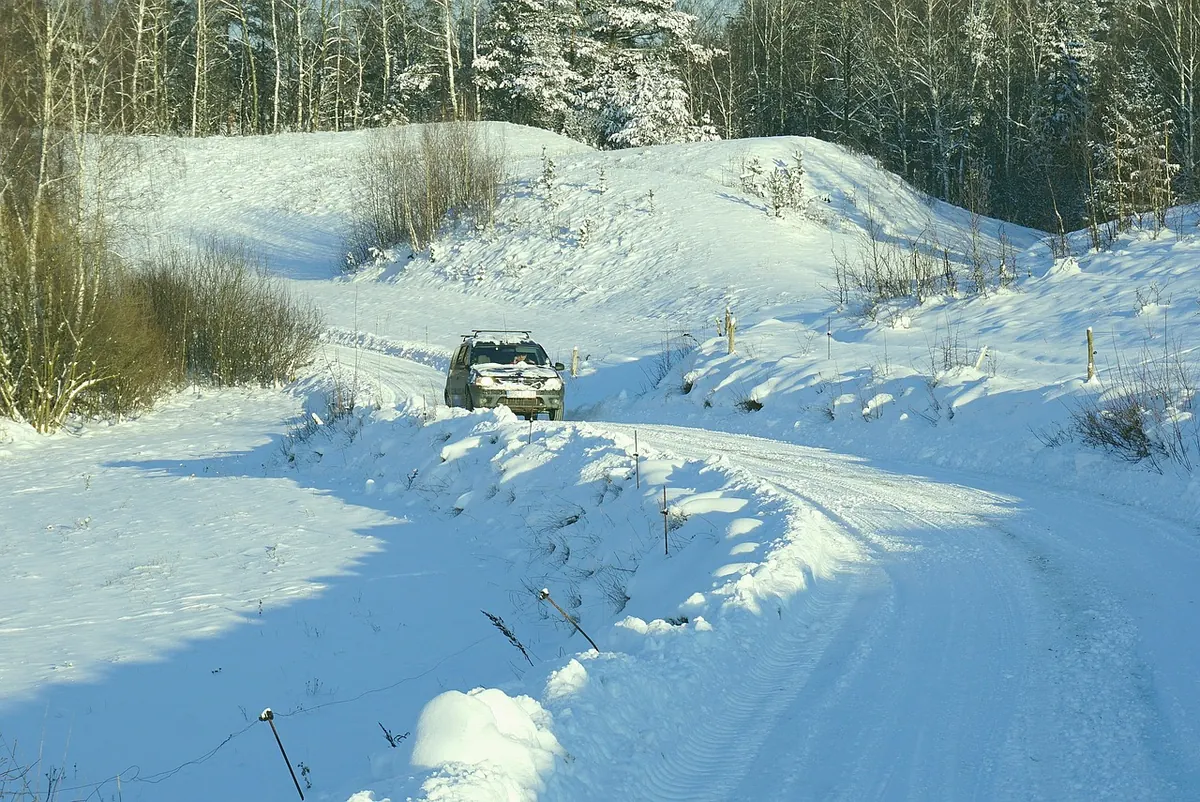
A ten-minute stop in July is a stretch and a coffee. The same stop in January is a different job altogether: shorter days, colder hands, ice hiding under slush, and a car that has only just warmed through when you switch it off. Break a winter journey badly and you arrive colder and more tired than when you set out. Break it well and the same trip feels half as long.
Plan your stops around daylight, not distance
In winter, the useful part of the day is short. Work backwards from your arrival time and treat dusk as a soft deadline for the long, exposed stretches of the route.
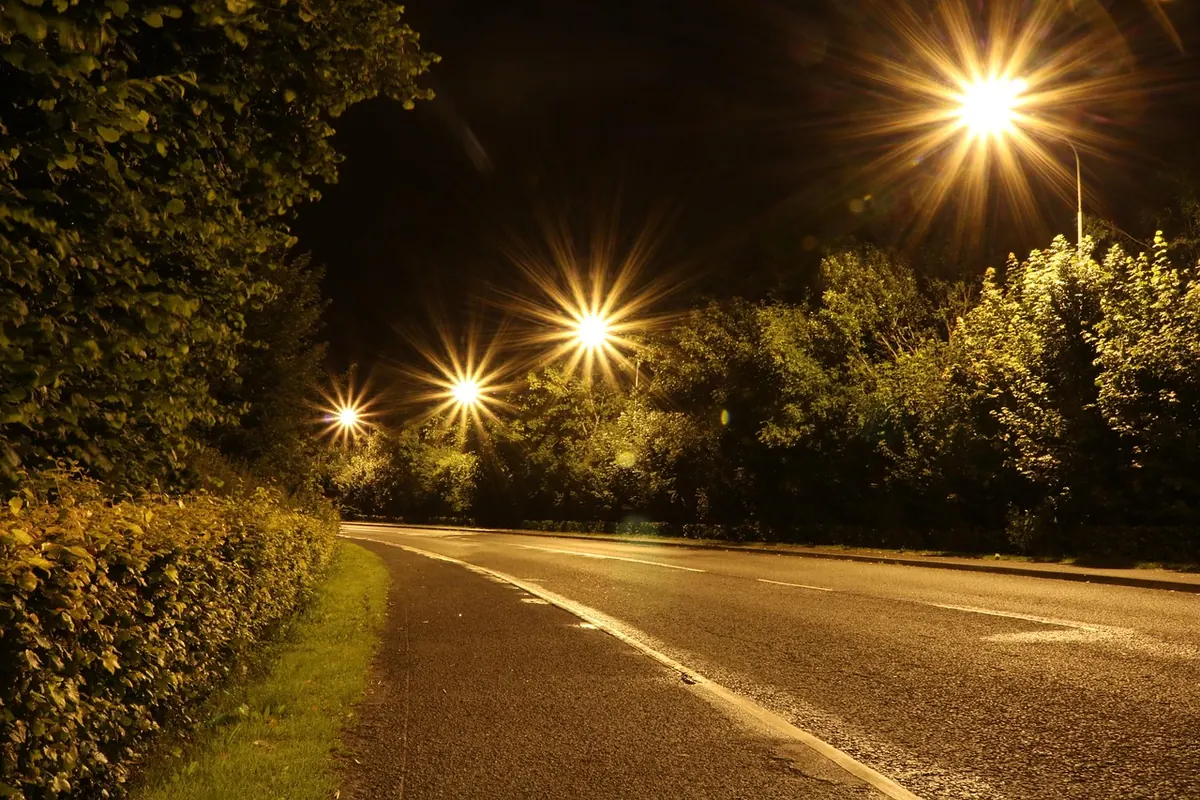
If your journey crosses high ground, aim to cross it in daylight and stop on either side, where there are towns, services and lit car parks. At four o'clock in December you do not want to be weighing up whether an unlit layby five miles ahead is good enough.
A rhythm that suits most drivers: a proper fifteen to twenty-minute stop every two hours, with shorter leg-stretches in between. If you feel tired sooner, stop sooner. Cold and fatigue together slow your reactions, and the planned stop two junctions away is not worth pushing towards.
Warm up the car and yourself
Before you move off
Clear the whole windscreen, not a porthole. Do the mirrors, lights and number plates too, and brush snow off the roof — a slab of it can slide over the glass the first time you brake firmly. Switch on the heating and demisters, and check the washer fluid is winter-strength and topped up. Grit and spray will empty a reservoir faster than you expect.
At the stop itself
Get out and walk. Ten minutes on your feet does more for your alertness than ten minutes sitting with the heater on full. If you have a flask, drink something hot while you are standing rather than perching in the driver's seat.
If you are shivering, soaked through or feeling unwell, treat it as a signal rather than an inconvenience. Find somewhere warm, give yourself time, and think about whether carrying on is sensible. For anything that worries you about your health, speak to a pharmacist, NHS 111 or your GP.
Check the weather again at every stop
You checked the forecast before leaving. Check it again when you stop, because two hours is long enough for a route to change.
Useful places to look: the Met Office for warnings and wind, National Highways, Traffic Scotland or Traffic Wales for closures and incidents, and local radio for what is happening on the ground. Motorway matrix signs and roadside temperature warnings on upland routes are worth reading properly — they usually cover the next few miles rather than the whole road.
Wind matters as much as snow. Gusts are felt hardest on exposed bridges, viaducts and open moorland, and a high-sided vehicle in a crosswind behaves very differently from a small hatchback. If conditions are worsening, the sensible move is to shorten the day: stop earlier, take a room, and finish the journey in daylight tomorrow.
Places not to stop in ice and snow
Most winter stop problems begin with a layby that looked fine on the map. These are the ones to pass by:
- Unlit laybys on fast single carriageway roads, where you rejoin traffic that is already at speed.
- Laybys on a bend, a brow or a downhill stretch, where drivers behind cannot see you until late.
- Anywhere with soft verges or standing water. Slush hides ice, and once stopped you may struggle to pull away again.
- Laybys with a narrow or blind exit. If you cannot see the road you are about to rejoin, it is the wrong place to stop.
- Slip roads and the hard shoulder, which are for emergencies only.
- Remote forest or picnic car parks with no lighting, no phone signal and no gritting.
There is also a simple comfort point: if a stop does not feel right when you pull in, leave. A few more miles to a lit car park costs minutes.
What a good winter stop looks like
Look for somewhere off the carriageway, gritted or cleared, and easy to leave. Motorway services and truck stops are the obvious answer, but they are not the only one. Market town car parks, park and ride sites, supermarket car parks and garden centre cafés all do the job, and most give you somewhere warm to sit and a toilet.
If you are stopping to eat, eat properly rather than in the car. A hot meal in a warm room resets you in a way a sandwich at the wheel does not. Allow a little longer than you would in summer — twenty minutes rather than ten.
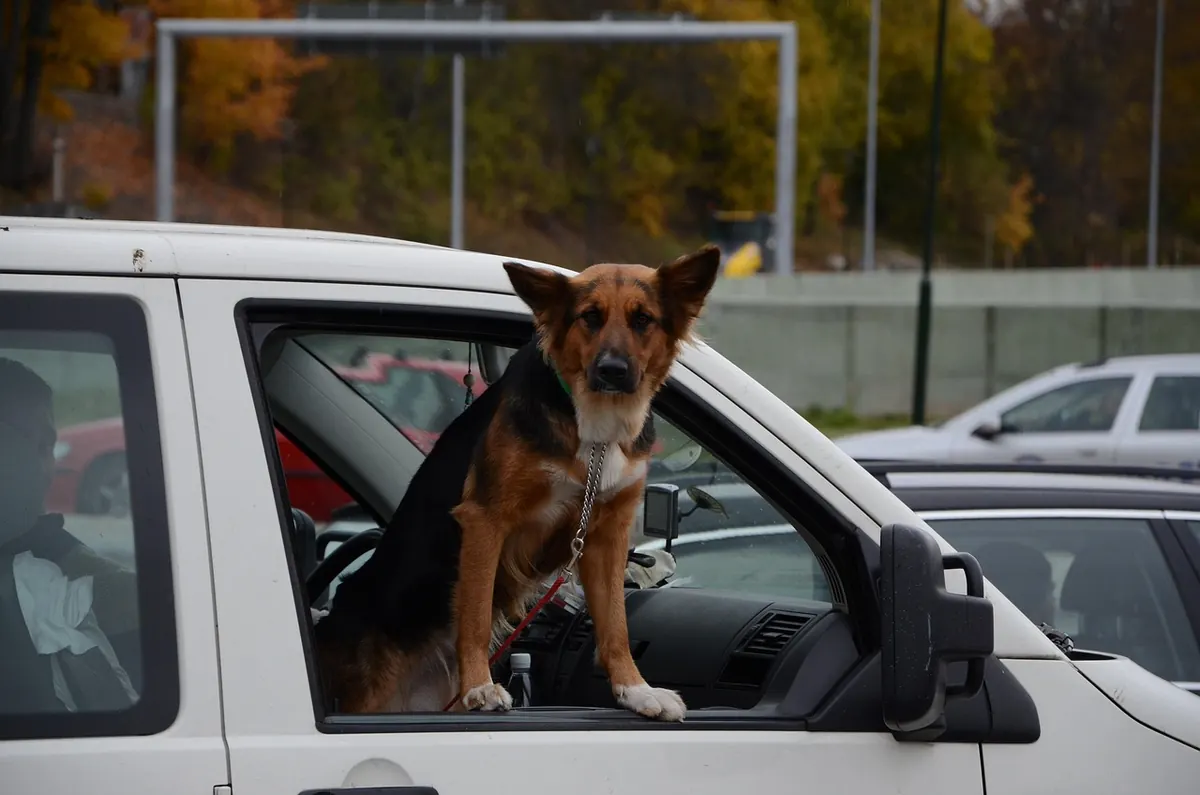
Do not leave the engine running while you are away from the car. It is an offence on a public road in the UK, it wastes fuel, and a warm unattended car is an easy target.
A stop routine worth repeating
- Slow down early and indicate well before you turn. On ice, gentle steering is the priority.
- Park so you can pull out forwards, with enough room to move if someone parks badly beside you.
- Switch off, lock up and take the keys with you.
- Walk round the car before setting off again: lights, tyres, wipers, screenwash, and any snow that settled while you were stopped.
- Clear the windscreen fully, then test the brakes gently once moving. They can feel different after sitting in the cold.
The one habit that matters most
Decide where you will stop before you need to stop. That single habit covers daylight, warmth, weather checks and safety, because you are choosing a lit car park or a services building instead of gambling on a layby in the dark.
Keep the fuel tank above a quarter in winter, and allow more time than you think you need. If you would rather not drive at all in bad conditions, that is a perfectly good decision — the journey can wait until tomorrow.
Photo: Nowaja / Pixabay