Fill a petrol tank and you are done in five minutes, with no thought beyond which pump is free. An electric car asks a little more of you: where you will stop, how long you will stay, and what you will do if the charger you were counting on is out of action. The good news is that this is a skill you learn once. After a couple of longer drives, most drivers stop thinking about it and simply plan around the places they would have stopped anyway.
Here is how to plan charging stops on a long journey without overthinking it.
How charging speed actually works
Public chargers are rated in kilowatts (kW), and that number tells you roughly how quickly range goes back in.
- Up to 7 kW — a home wallbox or a slow public point. Fine overnight, useless for a quick top-up.
- Around 22 kW — AC charging. Worth using when the car is parked for hours at a hotel, car park or workplace.
- 50 kW — the older generation of rapid DC chargers. Still common, and noticeably slower than what follows.
- 100 kW and above — ultra-rapid DC. This is what you want on a long motorway run.
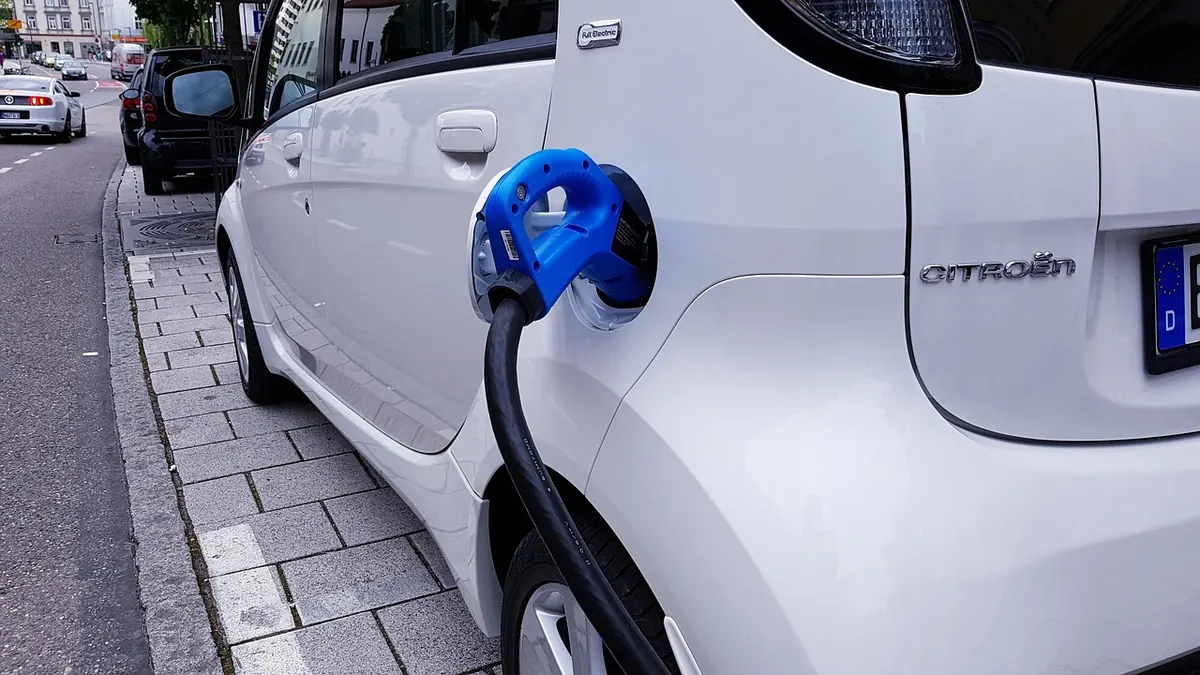
DC rapid charging on almost every modern UK electric car uses a CCS connector. Older models may use CHAdeMO, and AC charging uses a Type 2 plug. Your car will have a maximum charging rate of its own — a vehicle that accepts 100 kW will never pull more than that, however powerful the charger is.
Plan your journey in legs, not in range
A common beginner's mistake is trying to stretch the battery as far as it will possibly go, then charging from nearly empty. It is far easier to plan around your own natural rhythm. Most people want a break after roughly two to two and a half hours, so build the charging stops around those breaks rather than the other way round.
Aim to arrive at a charger with somewhere between 10 and 20 per cent left. That leaves room for a detour, a closed car park or an unexpected headwind, and it means the battery is empty enough to accept a fast charge. Cold weather, motorway speeds, a roof box and a car full of people all reduce real-world range, so treat your car's official figure as a fair-weather guide.
Why the last 20 per cent takes so long
Batteries charge quickly when they are relatively empty and slow down sharply as they fill. The final stretch to 100 per cent can take as long as everything before it, and it is rarely worth the wait on a journey. Charge to around 80 per cent and move on.
Two short charges usually beat one long one. If your route needs 60 per cent of battery, splitting it into two 30 per cent top-ups will generally get you there faster than sitting on one charger waiting for the taper.
The exception is when the stop is doing something else for you. If you are having lunch with the family, plug in, walk away and come back to a full battery — nobody is counting the minutes.
One useful trick in winter: set the charger as a destination in the car's own navigation. Many EVs will warm the battery as you approach, so it accepts a faster charge on arrival.
Paying for a charge
Payment is the least standardised part of UK charging, so it pays to be ready before you arrive. You will meet some combination of:
- Contactless bank card — required on new rapid chargers, and the simplest option when it works.
- Network apps — often the only way to start a charge on older or slower points.
- Roaming cards — a single card or app that covers several networks, handy for longer trips.
- Pay-as-you-go accounts — you top up a balance in advance and tap the card at the post.
Register a card in your phone wallet before you set off, and have at least one charging app set up with a payment method saved. Some networks place a temporary hold on your card when you start a charge, and a few price by the minute rather than by the kilowatt hour, which makes lingering at a busy charger an expensive habit.
Always have a backup plan
Charging apps show live status, but treat that as a hint rather than a promise. A charger can be working when you check and occupied by the time you arrive, or it can fail between one driver and the next.
Before you commit to a stop, know where the next option is. On a motorway route that is usually simple — services tend to come in clusters, and a retail park or supermarket a few minutes off the junction often has rapids of its own. If a charger will not start, try the other connector on the same unit, ring the helpline number printed on the post, and if it still will not play, move to your second choice rather than waiting hopefully.
A little etiquette goes a long way at busy sites. Queue in the order you arrived, do not unplug someone else's car, and move off the charger once you have what you need so the next driver can start.
Make the stop itself worth having
Where you charge matters almost as much as how fast. A 25-minute stop at a services with a coffee counter, clean toilets and a shop is a pleasure. The same 25 minutes in a bleak corner of a car park is not.
Where you can, charge at your destination instead. A hotel with a charger, a friend's driveway, or a workplace point turns an hour of waiting into an hour of sleeping or eating. A three-pin plug top-up is very slow and best kept as a last resort — follow the manufacturer's guidance and avoid extension leads.
A simple routine for your first long trip
- Work out your route and pick two or three natural break points at around two hours apart.
- Check which chargers are at or near each one, and note a backup for every stop.
- Set the first charger as a destination in the car's navigation so the battery can prepare.
- Charge to about 80 per cent, then move on. Do not chase the last few per cent.
- Keep one app and one contactless card ready, and check the next charger while you wait.
Do this once or twice and the pattern sticks. You will end up planning journeys around good places to stop, which is no bad way to travel at all.
Photo: stux / Pixabay