You pull into a motorway services with a tenner in your pocket and a rumbling stomach. The car park is full, the toilets are busy, and the smell of coffee is doing its best to part you from your cash. The question is simple: what does £10 actually buy at a UK motorway service station right now? The answer depends on where you stop, what time you arrive, and how hungry you are. But after enough motorway miles, a pattern emerges. A tenner is no longer a meal budget. It is a snack-and-drink budget, and sometimes not even that.
The £10 test: what you actually get
At most UK services, £10 sits in an awkward middle ground. It is too much for a quick coffee, but not quite enough for a sit-down meal with a drink. You can spend it in three or four minutes without thinking, especially if you are buying for more than one person. The forecourt shop is usually the worst offender. A bottled drink, a bag of crisps and a chocolate bar can easily absorb £5 or more. Add a sandwich and you are close to the limit.
The main food outlets are not much kinder. A hot main course, whether it is fish and chips, a burger, or a pasta dish, often costs close to £10 on its own. Add a soft drink and you are over budget. Breakfast can be better value, but only if you stick to a single item and a coffee.
Coffee and a snack: the most common tenner
For many drivers, the tenner is spent before the main meal is even considered. Coffee is the anchor purchase. It is the reason you stopped, or the reward for stopping. The problem is that coffee at motorway services is priced for convenience, not for value.
The coffee counter
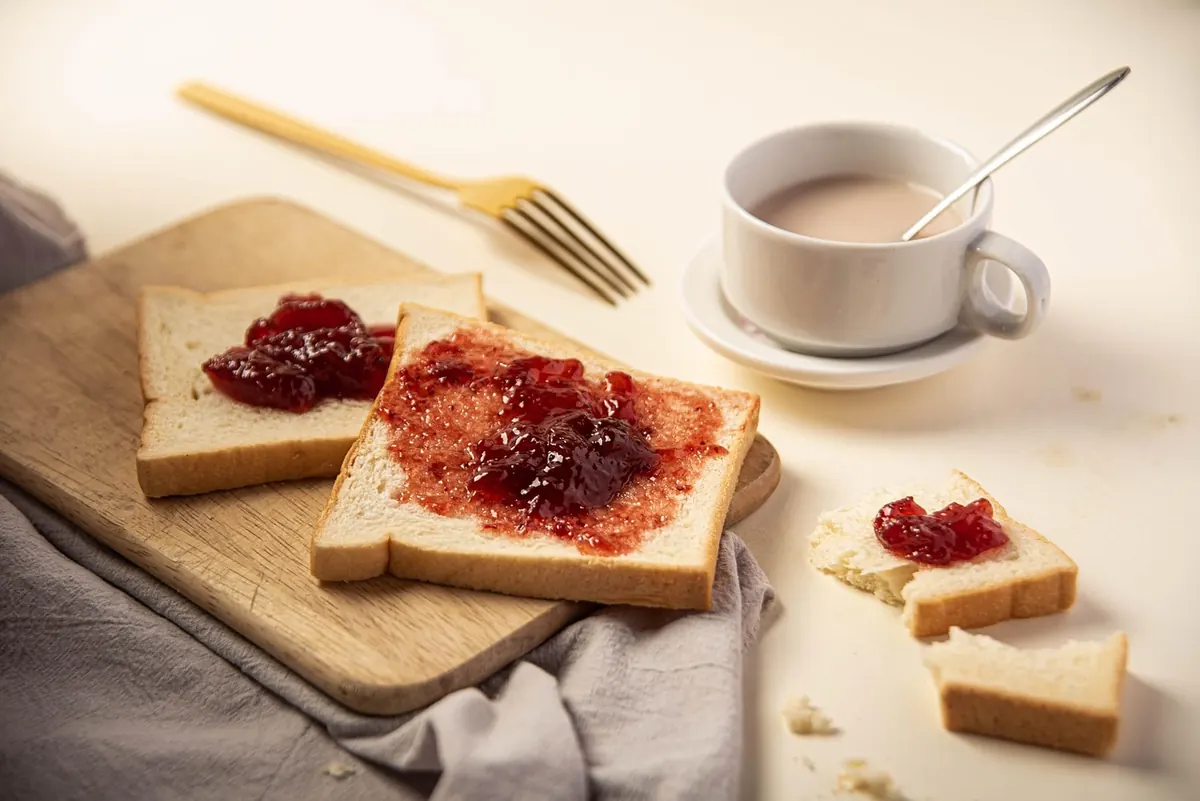
A medium latte or cappuccino from a motorway coffee chain often costs more than the same drink on the high street. If you add a pastry, a cookie or a slice of cake, the total climbs quickly. A tenner can cover one large coffee and a pastry, or two smaller coffees with nothing else. Buy for a family of four and £10 does not go far at all.
The snack aisle
Service station shops are convenient, but they are not cheap. A bag of crisps, a flapjack and a bottle of water can cost more than a supermarket meal deal. The same is true of cold drinks from the chiller. If you are only buying a snack to keep you going, you are paying for the location more than the food.
A proper meal for £10?
A proper hot meal for £10 is possible, but it requires discipline. You need to choose the simplest item on the menu, skip the sides, and drink water. Even then, you may find that the price has crept up. A burger and chips might be just under a tenner at some outlets, but add a drink and you are over. A breakfast bap and a coffee can be under £10, but a full cooked breakfast with a drink often is not.
Children's meals are usually cheaper, but portions are smaller. If you are feeding a family, £10 is a round of drinks and perhaps one snack to share. It is not a family meal. The value is not in the main courses unless you catch a specific deal or use a loyalty voucher.
Where the value leaks away
Motorway services are designed to separate you from your money gently. The layout takes you past shops, the lights make the food look appealing, and the queues give you time to add extra items. Parking is usually free for a short stay, but check the signs because some sites have time limits or charges. Toilets are free, and that is part of the deal: you stop for the facilities, then spend on food.
The biggest leak is the captive audience effect. You are tired, the kids are restless, and the next junction is miles away. That is when a £10 note becomes a £15 card payment. Knowing this beforehand is half the battle.
Better alternatives: how to spend £10 well
You do not have to accept motorway prices. With a little planning, your tenner can go much further.
- Bring your own basics. A flask of coffee, refillable water bottles, sandwiches and fruit cost far less than service station food. A small cool bag keeps things fresh.
- Stop near a supermarket or retail park. Many motorway junctions have shops and cafés a few minutes away. Check your route before you travel and plan a stop there instead.
- Use high street chains near the junction. A drive-thru or a town centre bakery often offers better value than the services, even if you have to drive a little further.
- Buy only the essentials at services. Use the toilets, stretch your legs, and buy a coffee if you need one. Eat elsewhere.
- Share and downsize. One large coffee and a pastry split between two people can be enough for a break. Skip the bottled drinks and ask for tap water where available.
- Look for vouchers and loyalty apps. Money-off deals and points can reduce the cost of a coffee or a snack, but only if you already use them.
A practical plan for your next stop
If you want to keep your tenner for the things that matter, try this routine.
- Before you leave, pack a small bag with water, snacks and a flask. This is your first line of defence.
- Check your route for a junction with a supermarket, retail park or high street chain. Note it as your food stop.
- At the services, use the toilets and fill water bottles if the tap allows. Do not browse the shops.
- If you need coffee, buy the smallest size that will do the job. Skip the pastry or share it.
- For hot food, choose a single item rather than a meal deal. Drinks are where the profit is.
- Keep £10 as an emergency fund, not your main food budget. If you spend it, you know it was a choice, not a trap.
The verdict: keep a tenner for the essentials
At a UK motorway service station, £10 buys convenience. It buys
Photo: Hilary_Nguyen / Pixabay